In today’s turbulent global economy, one truth is becoming increasingly clear: no country can build a truly independent development strategy based solely on foreign trade.
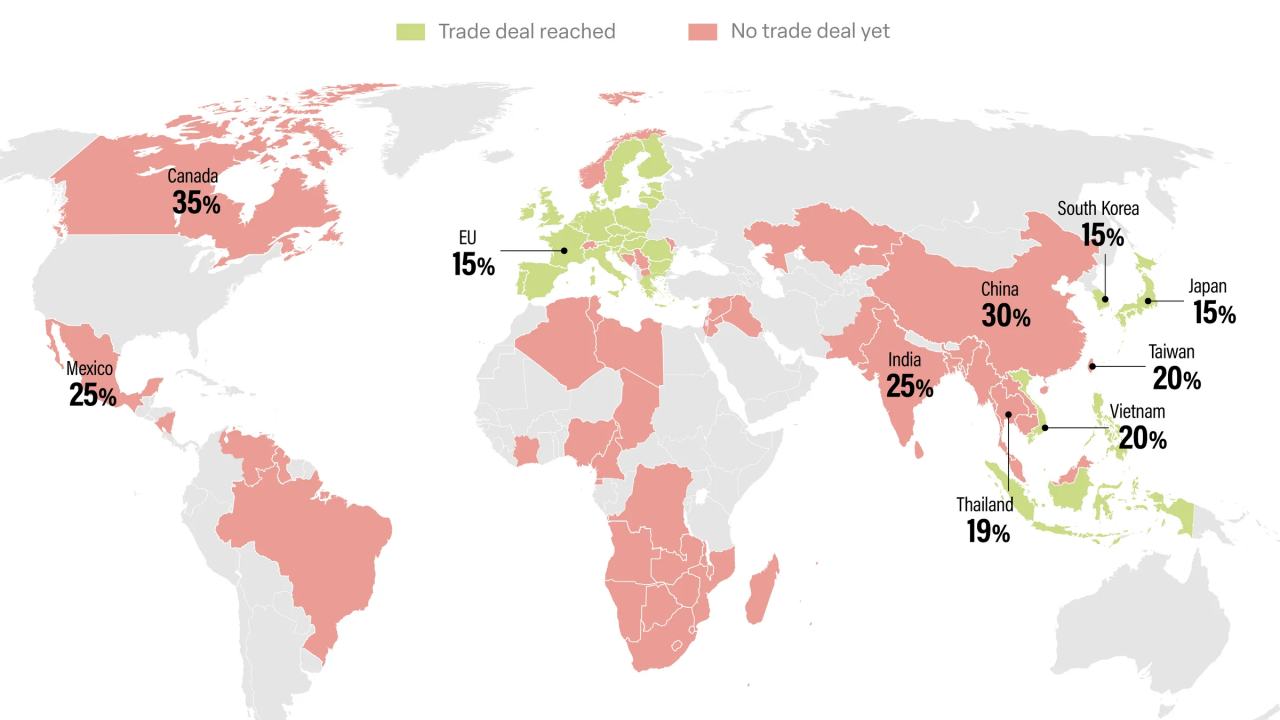
Rising tariffs, economic sanctions, and protectionist measures are no longer isolated policies they are reshaping the global trade landscape. What was once seen as a mechanism for economic cooperation is now being re-evaluated through the lens of sovereignty, security, and national interest.
This shift isn’t a temporary reaction it marks a fundamental rethinking of the purpose and structure of global trade. Nations are being pushed to reassess their external dependencies and ask whether their economies genuinely serve the long-term needs of their own people.
The world needs a new economic model one that moves beyond zero-sum competition and builds fair, balanced, and mutually beneficial rules of engagement.
We must rethink global institutions to ensure they:
- Protect economic sovereignty
- Guarantee equal rights for all players
- Foster cooperation over coercion
This is not a rejection of globalization. It is a call for smarter, more equitable integration one that reflects today’s realities and tomorrow’s challenges.
But can every country adapt to this emerging global reality?
This question brings us closer to a powerful concept: “regional economics for the nearest billion.”
In a world of shifting alliances and disrupted supply chains, regional strategies may become the most viable path to sustainable growth. By focusing on integrated markets within a shared geography with cultural, logistical, and economic proximity countries can unlock new opportunities while reducing vulnerability to global shocks.
- What kind of trade rules can ensure fairness?
- How do we strike the right balance between sovereignty and cooperation?
- What role should emerge economies play in reshaping global institutions?
The future of trade depends on the institutions and the regional strategies we begin to build today.
Read also "Friday Reflections: The End of Globalism and the Rise of the “Nearest Billion”